A sewer smell in the house in Orem means gas from the drain system has found a way past the barriers meant to hold it back. The cause is often simple, like a floor drain that has dried out. Sometimes it points to a failed toilet seal, a vent problem or a cracked drain line.
This guide explains how traps and vents keep odor out, where those defenses fail, and what you can safely check. It also covers when a sewer camera inspection makes sense.
Why a Sewer Smell in the House Happens
Every drain in your home connects to piping that carries sewer gas. Two features keep that gas out of the living space. The first is the trap, the curved section of pipe under a sink, tub or floor drain that holds a plug of water. The plumbing code Utah adopted calls the trap seal an essential feature that keeps drain odors out of the building, and Section 1002.4 sets that seal at 2 to 4 inches of water.
The second feature is the vent system. Vent pipes let air into the drains so water can flow without pulling on the traps. The code's chapter on vents explains that this air path prevents odor "blow back" into fixtures and siphoning of trap seals. When either defense fails, a sewer smell in the house follows.
Dry Traps in Basement Floor Drains and Guest Baths
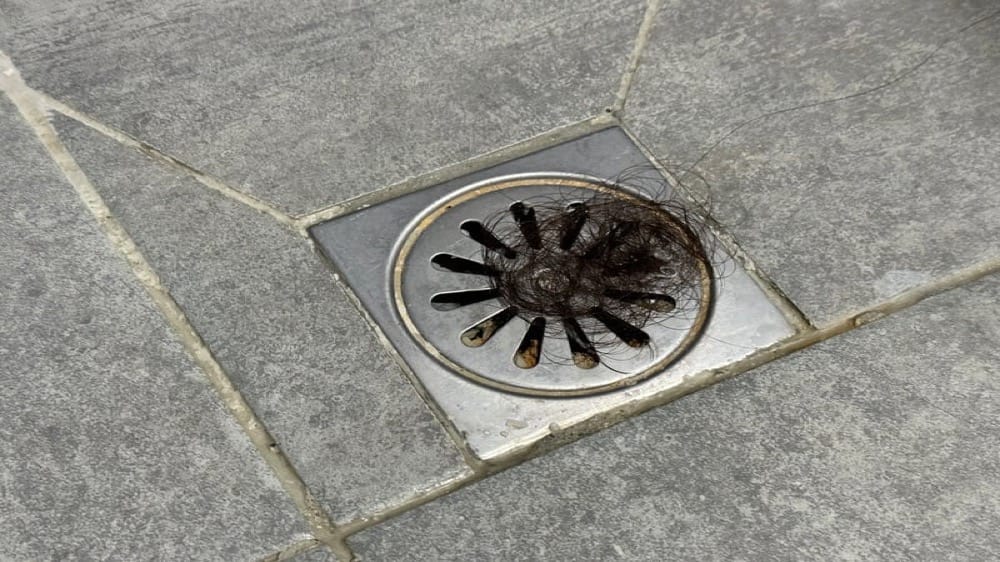
The trap seal is only water, and water evaporates. A basement floor drain, a guest shower or a utility sink that goes unused for several weeks can gradually lose its seal through evaporation. Once the water level drops far enough, air from the sewer side flows straight into the room.
Many Orem homes have a basement floor drain that rarely sees water. Utah County's dry air can speed evaporation, whether in summer heat or when the furnace runs in winter. A dry trap is the simplest cause of a sewer smell in the house, and it explains why an odor can appear in a room no one uses.
The code addresses this directly. Section 1002.4.1 requires protection for trap seals subject to evaporation, such as a trap seal primer valve or a barrier-type device. A primer valve adds water to the trap from time to time. A barrier device closes the drain opening when no water is flowing.
A Failed Toilet Wax Ring
A toilet sits on a floor flange connected to the drain below. Section 405.4 of the code's fixture chapter requires that joint to be sealed with an approved gasket or setting compound. In most homes, that seal is a wax ring.
Wax rings fail when a toilet rocks, when the closet bolts loosen, or when the flange underneath cracks or sits too low. Once the seal breaks, sewer gas can escape around the base, and water can seep out during flushes. Typical signs include an odor strongest near the toilet, a bowl that shifts when you sit, or discoloration on the flooring around the base.
Caulk around the base can hide these clues without repairing the seal underneath. Red Rock Plumbing handles toilet repair, including resetting a toilet on a new seal.
Blocked Vents and Cracked Drain Lines
Vent problems usually produce a different pattern. If leaves, a bird nest or other debris block the vent opening on the roof, draining water can pull the water out of nearby traps. You may hear a sink or tub gurgle when a toilet flushes, followed by a smell. Some sinks use an air admittance valve under the cabinet instead of a roof vent. If that valve sticks open, odor comes straight into the cabinet.
A cracked vent pipe inside a wall or attic, or a loose joint, can also leak gas into the house. Drain lines can deteriorate as well, and a cracked or separated drain under a basement floor can release odor through gaps in the floor or near the floor drain. When the smell comes with slow drains in several fixtures, the main drain line becomes the leading suspect.
An Orem Scenario You Might Recognize
Picture an Orem family with a finished basement and a small bathroom that guests use a few times a year. Over the summer, a sewer odor starts drifting up the basement stairs. The smell is strongest near the laundry area. It fades for a few days after someone mops the floor and pours the mop water down the floor drain. Upstairs, every drain runs normally.
That pattern points to a dry trap, most likely the basement floor drain. The mop water refills the seal for a while, which is why the smell comes and goes. Because the upstairs drains are fast and nothing gurgles, a vent blockage or a main line problem is less likely. If the smell stayed after the trap was refilled, or drains began to slow, the vents or the drain line would be next in line.
What You Can Safely Check Yourself
When you notice a sewer smell in the house, a few simple checks can narrow down the source:
- Unused drains: Pour water into basement floor drains and run guest showers and sinks for a short while. If the smell fades, a dry trap was likely the cause.
- Toilet base: Gently push on each toilet bowl. Any rocking, or dampness around the base, points to the wax ring.
- Sink cabinets: Look under sinks for loose slip nuts on the trap, standing water, or an air admittance valve that smells up close.
- Gurgling: Listen at sinks and tubs while a toilet flushes. Gurgling suggests a venting problem.
- Drain speed: Note whether several drains are slow at once, which points toward the main line.
- Location and timing: Write down where the smell is strongest and when it shows up, such as on windy days or after heavy water use.
Safety Notes
- Gas or sewer: A rotten-egg smell can also mean a natural gas leak. If you smell gas or are unsure, get everyone outside, then call 911 or the gas utility's emergency line from outside.
- Hydrogen sulfide: OSHA describes hydrogen sulfide, a gas that occurs naturally in sewers, as extremely flammable and highly toxic. It also notes that people can stop smelling it after a while, so a fading smell is not proof the problem is gone.
- Roofs: Do not climb onto the roof to check a vent, especially in snow or ice. Look from the ground only.
- Drain chemicals: Do not pour drain chemicals into a drain you plan to have serviced, and do not mix products.
When to Call a Professional
Call a plumber if a sewer smell in the house stays after you refill every trap, if a toilet rocks or leaks at the base, or if drains gurgle. Slow drains in several fixtures, along with the smell, point to the main line. So does an odor inside a wall or ceiling with no fixture nearby. Red Rock Plumbing provides drain cleaning as part of its plumbing service in Orem.
A sewer camera inspection is the usual next step when the main line is suspect. A plumber feeds a waterproof camera through a cleanout and into the drain line, watching the video as it travels. The footage can show cracks, separated joints, root intrusion, sagging sections that hold water, or buildup. It also helps locate the problem along the line, so any repair targets the right spot.
Frequently Asked Questions
Why does my basement smell like sewer only some of the time?
Usually a floor drain trap dries out between uses. Water refills the seal for a while, so the smell comes and goes. A trap primer or barrier device can keep the seal in place.
Can a toilet leak sewer gas without leaking water?
Yes. A deteriorated wax ring can lose its seal against gas before any water appears on the floor, and a toilet that rocks is a common early sign.
Is a sewer smell in the house a safety concern?
Treat it seriously. Sewer gas can contain hydrogen sulfide, which OSHA describes as flammable and toxic. If the smell could be natural gas, get everyone outside, then call 911 or the gas utility's emergency line from outside.
Will drain cleaner fix the smell?
Usually not. Chemical drain cleaner does not refill an evaporated trap, reseal a toilet or clear a blocked vent.
Your Next Step for a Fresh-Smelling Home
Before you reach out, write down where the sewer smell in the house is strongest, when it appears, and whether any drains are slow or gurgling. Note which fixtures rarely get used and whether refilling traps changed anything.
Then contact Red Rock Plumbing to schedule a visit. With those notes in hand, the plumber can start with the likeliest source and decide whether a camera inspection is needed.