
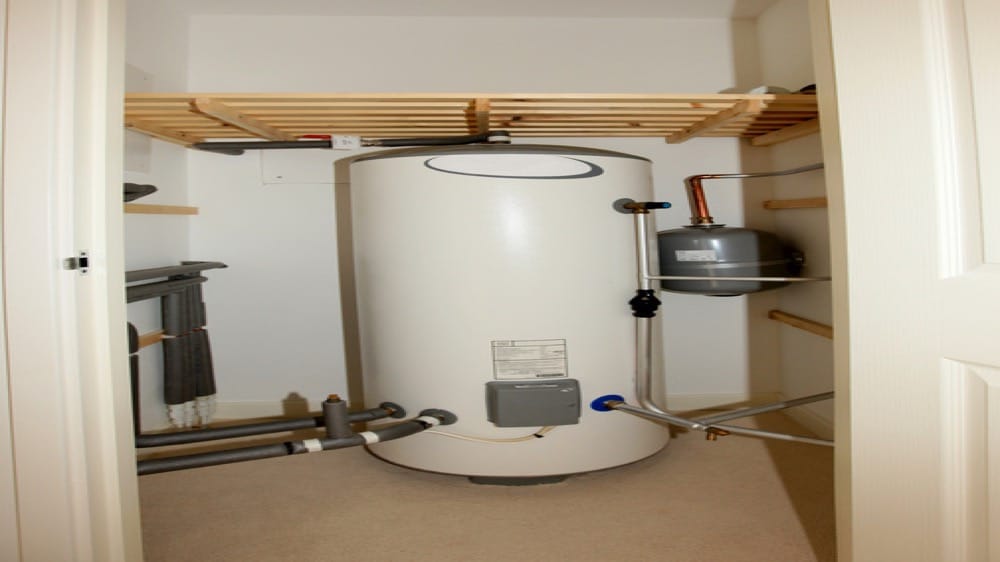
When a water heater pilot light keeps going out in Bloomington, Utah, the showers turn cold and one relight rarely settles it. On a standing-pilot gas tank heater, that small flame is part of a safety circuit. If anything weakens the flame or the part that senses it, the gas valve closes on purpose. This guide explains why that happens, what a homeowner can safely look at, and which repairs belong to a plumber.
How a Standing Pilot Stays Lit
A standing-pilot water heater burns a small flame at all times, and that flame lights the main burner whenever the thermostat calls for heat. The pilot has a second job, too. Its flame heats the tip of a thermocouple, a small metal probe that produces a tiny electrical current when it is hot. That current holds open the pilot safety valve inside the gas control valve. Some models use a thermopile instead, which is a stack of thermocouples that produces more current.
One manufacturer's guide explains that when the pilot goes out, the thermocouple or thermopile is no longer energized and gas stops flowing to the pilot burner. So when the pilot light keeps going out, the heater is usually protecting the home as designed. Something is starving the flame or weakening the signal that proves it is lit.
Why the Pilot Light Keeps Going Out: Common Causes
Several faults can put the flame out, and from the outside they look alike:
- Worn thermocouple or thermopile: Constant heat ages the probe. As its output drops, the pilot lights while the knob is held, then dies soon after release.
- Dirty pilot orifice: Dust, lint or corrosion can partly block the tiny pilot opening, leaving a weak, yellow or wandering flame that no longer wraps the thermocouple tip.
- Drafts: A gust through an open garage door, or wind pushing down the vent, can snuff out a small flame.
- Clogged air intake: Many newer tank heaters pull combustion air through a screen near the base. Lint and dust on that screen starve the flame of air.
- Flammable vapor sensor lockout: Some current gas tank heaters use a sensor that shuts the burner down when it detects flammable vapors. After it trips, the heater may stay locked out until the cause is corrected and the unit is serviced.
- Gas supply problems: Low gas pressure, air in the line after other gas work, or a kinked pilot tube can all shrink the flame.
Why Bloomington Garages Are Hard on Pilot Flames
In Bloomington and across Southern Utah, many homes are single-story houses with the water heater in the garage. That puts the pilot close to whatever blows through the big door. Summers here are very hot and dry, so garage doors often stay open for projects and yard work, and dust can drift in on windy days.
Some summers also bring thunderstorms with strong, gusty winds. Those gusts can push air hard through an open garage or down a vent cap. Dust and lint tend to collect in a garage, and that film can settle on the intake screen and around the pilot assembly. Put a gusty afternoon together with a partly clogged intake and a tired thermocouple, and the pilot light keeps going out on windy days while behaving normally the rest of the week.
A Bloomington Scenario You Might Recognize
Picture a family in Bloomington whose gas water heater sits in a corner of the garage, a few steps from the big door. On a windy evening they notice the showers running cold. They follow the lighting steps printed on the label, and the pilot catches and holds. A few days later it is out again, and this time it lights but dies as soon as they release the knob.
That second detail matters. A pilot that holds for days and then goes out on gusty afternoons points toward drafts or a dusty intake. A pilot that will not stay lit once the knob is released points toward a weak thermocouple, or a dirty pilot flame that no longer heats it properly. Either pattern deserves a careful look before anyone keeps relighting. Any gas smell changes the situation completely, and the safety notes below come first.
What You Can Safely Check Yourself
Useful checks involve looking and noting, not taking parts off. Stay within what the label and owner's manual allow:
- Read the label: Relight only by following the lighting instructions printed on the heater. The manufacturer's guide linked above puts the label and manual ahead of any general article.
- Look at the flame: Through the sight glass, a healthy pilot is mostly blue and steady. A small, yellow or flickering flame suggests dirt or a supply issue.
- Track the drafts: Note whether outages line up with the garage door being open or with windy weather.
- Give it room: Move boxes, laundry and stored items away so air can reach the base of the heater.
- Look at the intake screen: If your model has one at the base, check it for a coating of lint or dust, and leave the cleaning to a professional.
If the pilot light keeps going out after a relight done by the label, stop there and note when it went out and how long it stayed lit.
Safety Notes
- Gas smell: Any gas smell ends the relighting. Get everyone outside, then call 911 or the gas utility's emergency line from outside. The NFPA's guidance on fuel gas leaks treats any suspected leak as an emergency.
- Carbon monoxide alarm: If a CO alarm sounds, get everyone outside, then call 911 from outside. The NFPA carbon monoxide safety page directs people to fresh air before calling for help.
- Flammable liquids: Gasoline, paint thinner and similar products give off vapors that a flame can ignite. One manufacturer's safety page warns against storing or using them near a water heater.
- Clearance: The U.S. Fire Administration advises keeping anything that can burn at least 3 feet from water heaters and keeping the burner access door closed.
- Repeated relighting: Relighting again and again when the pilot light keeps going out hides the cause instead of fixing it.
When to Call a Professional
Call a plumber in these situations:
- The pilot light keeps going out even after a careful relight that follows the label.
- The flame stays yellow, small or lifted away from the thermocouple.
- The flammable vapor sensor has tripped, or the status light shows a lockout.
- You suspect low gas pressure, or more than one gas appliance is acting up.
- There has been any gas odor, even a faint one that faded.
Replacing a thermocouple or thermopile, cleaning a pilot orifice and diagnosing a gas control valve all involve opening gas connections and testing them for leaks afterward. That work belongs to a trained technician. Problems in the piping itself call for gas line repairs, and a suspected leak calls for gas line leak detection. Red Rock Plumbing provides water heater service and repair for homes across Southern Utah, including Bloomington.
Frequently Asked Questions
Is it dangerous when a water heater pilot goes out?
On its own, a pilot that goes out is usually not dangerous, because the safety valve stops gas to the pilot. The risk comes from a gas smell, a blocked vent or flammable vapors nearby. Any gas smell means everyone gets outside and calls 911 or the gas utility from outside.
My pilot light keeps going out only on windy days. Why?
That pattern points to drafts. Gusts through an open garage door or down the vent can blow out a small flame, especially one already weakened by dust or a worn thermocouple.
Can I replace the thermocouple myself?
The thermocouple connects to the gas control valve, and the job ends with checking those connections for leaks. For safety, leave this repair to a professional.
Why won't my heater relight after the vapor sensor trips?
Some models lock out after a flammable vapor event until the cause is found and the unit is serviced. Follow the label, and call for service if the heater will not reset.
Schedule Water Heater Service With Red Rock Plumbing
Before you reach out, write down a few details. Note when the pilot went out, whether it lights and then dies when you release the knob, and whether the garage door was open or the weather was windy. A clear photo of the heater's rating label helps too, since it shows the model information. If another gas appliance has been acting up, mention that as well. With those notes ready, contact Red Rock Plumbing to schedule a water heater service visit for your Bloomington home. A technician can then trace whether the pilot light keeps going out because of the thermocouple, the pilot assembly, the airflow or the gas supply.